
The Advantages of Combining Probiotics with Paraprobiotics
When we talk about probiotics, we naturally think about live bacteria.
Live microorganisms have been extensively studied for their interactions with the gut and their ability to contribute to a healthy microbial ecosystem.
As a result, one of the most prominent numbers on a probiotic product is its CFU count, which is the number of viable microorganisms it contains. But there is another part of the story that is often overlooked: not all microbial action requires bacteria to be alive.
Increasingly, research into paraprobiotics shows that non-viable microorganisms and their components can also interact with the body.
What are paraprobiotics?
Paraprobiotics are a type of postbiotic. They are non-viable microorganisms or preparations of inactivated microbial cells that may retain biological activity.
A bacterial cell may no longer be capable of growing and reproducing, but that doesn’t mean it stops having an effect. The cell still contains a range of biological structures, including cell wall components, proteins, polysaccharides, and other microbial molecules that can interact with intestinal and immune cells.
In other words, when a microorganism becomes non-viable, it doesn’t necessarily become biologically irrelevant.
Research has investigated these interactions in relation to intestinal barrier function, inflammatory signalling and immune modulation, among other areas.
The evidence is still developing, but it highlights that viability is not the only factor determining how microorganisms may interact with the body.
Fermentation naturally gives us both
This is particularly relevant to fermented products.
During fermentation, microorganisms grow, reproduce, interact with one another, and transform their environment. They consume substrates and produce organic acids, peptides, enzymes, and other metabolites.
As the process develops, some microorganisms remain viable while others naturally become non-viable. The result is a combination of viable microorganisms, non-viable microbial cells, and the products of their activity.
This is one reason fermented foods are different from simply adding a defined number of bacteria to a finished product. The microorganisms are part of the process itself.
Why combine probiotics with paraprobiotics?
Live probiotics and paraprobiotics offer different things, which is why they work well together.
Live microorganisms interact with the intestinal environment, with effects that depend on the strain.
Paraprobiotics provide something different. Although the microorganisms are no longer viable, their cellular structures and components are still present and can continue to interact with the body.
Combining the two brings these different properties together, providing both live microorganisms and the components of non-viable microorganisms.
Research is exploring how these non-viable microorganisms may influence intestinal barrier function, inflammatory signalling and immune responses.
When viability isn’t the whole story
Akkermansia muciniphila is an interesting example of why microbial benefits may not depend entirely on viability.
Research has found that non-viable Akkermansia can retain biological activity and may produce beneficial effects, even when the bacteria are no longer alive. This has led to growing interest in Akkermansia as a paraprobiotic.
It’s a useful reminder that microorganisms don’t necessarily need to be alive to have biological effects.
Beyond the CFU
CFUs remain an important measurement, but they tell us only part of the story.
They measure viable microorganisms capable of forming colonies under defined testing conditions. They don’t describe non-viable microbial material, the metabolites produced during fermentation, or the wider food matrix.
In a fermented product, the CFU count is only one part of what microorganisms have contributed.
Our approach to fermentation
At Ferment Alchemy, this is central to how we approach fermentation.
Our Symbiotic contains over 40 billion cultures per gram. It also contains a wider range of microbial compounds produced through fermentation.
A fermented product is more than just live bacteria. It is the result of microbial activity.
This is why we believe there is value in looking at probiotics and paraprobiotics together, rather than treating them as competing approaches.
Live cultures bring one set of characteristics. Non-viable cultures bring another. Together, they reflect what fermentation creates, which is something a CFU number alone cannot capture.
Research & further reading
Research into probiotics, paraprobiotics and postbiotics is continuing to develop. Here are some selected papers looking at how live and non-viable microorganisms may interact with the body:
Probiotics and paraprobiotics
This review looks at the potential roles of probiotics and paraprobiotics, including their interactions with the gut, immune system, and gut–brain axis.
Paraprobiotics and postbiotics
This review explores the potential effects of paraprobiotics and postbiotics, including how microbial components and metabolites may interact with the immune system.
Live and non-viable microorganisms
This study compares probiotics and paraprobiotics in relation to gut health, including gut barrier function and inflammatory responses. The findings add to the growing research into the potential effects of non-viable microorganisms.
Understanding paraprobiotics
This review looks at paraprobiotics, including their potential use in functional foods and nutraceuticals, as well as some of the terminology and research surrounding them.
Akkermansia muciniphila as a paraprobiotic
This study explores the potential effects of non-viable Akkermansia muciniphila, providing an interesting example of how a microorganism can retain biological activity even after it is no longer viable.
Probiotics and paraprobiotics in functional foods
This 2025 review looks at the use of probiotics and paraprobiotics in functional foods, including their potential health effects, stability in food products, and how they may work together.
This website is for business to business and educational use only. The information herein is not intended to aid the diagnosis, treatment or prevention of any disease.
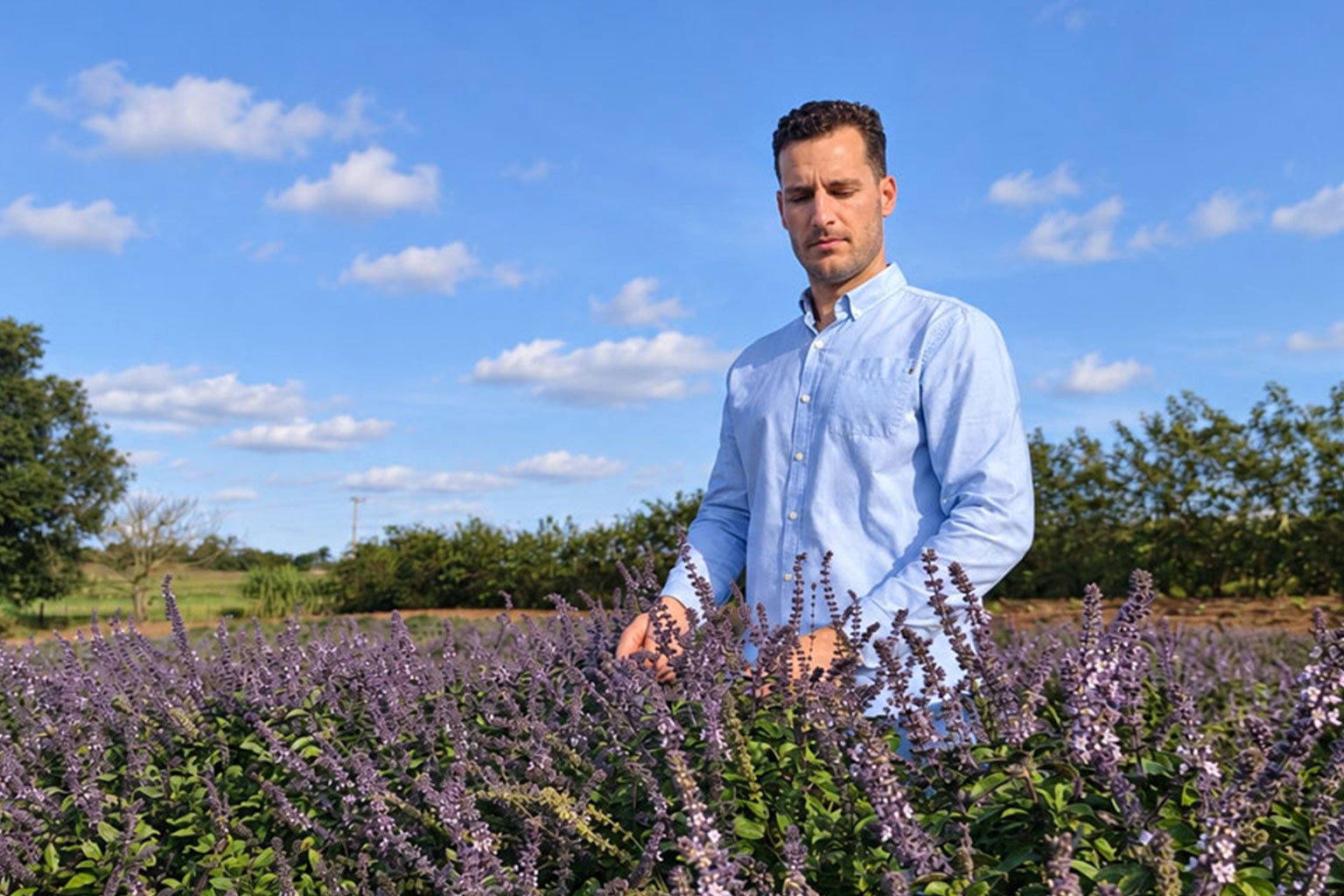
Hercules is a highly experienced biochemist and university professor specialising in fermentation practices. He oversees production at Ferment Alchemy’s Brazilian facility and works closely with Graham on the development of new ingredients. Hercules also oversees research programmes in collaboration with local universities and the innovation park, supporting Ferment Alchemy’s continued scientific progress.
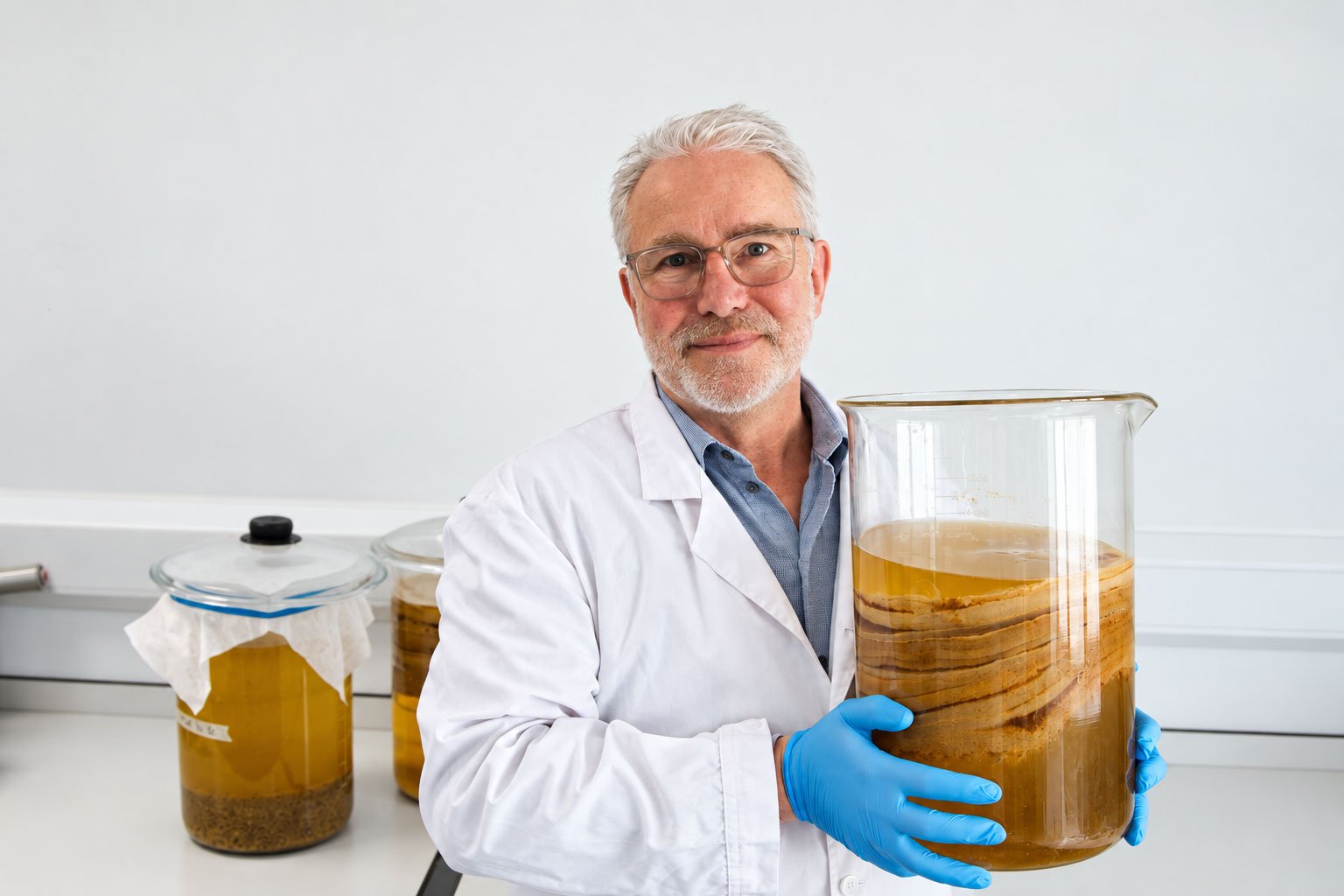
Graham is a nutritional therapist, international educator, and researcher with decades of experience working with traditional plant medicines. Combining traditional knowledge with modern nutritional science, Graham leads Ferment Alchemy’s research and development, helping to create specialised fermented ingredients with a focus on quality, innovation, and efficacy.